
Why Ink Fingerprinting is Still Relevant in the Digital Age
ML
The Enduring Importance of Ink Fingerprinting
In an era dominated by digital technology, ink fingerprinting might seem like a relic of the past. However, this traditional method of identification remains a critical tool in various sectors. Despite the advancements in digital scans and biometric data, ink fingerprinting continues to play a significant role in law enforcement, immigration, and employment verification processes.
Reliability and Accuracy
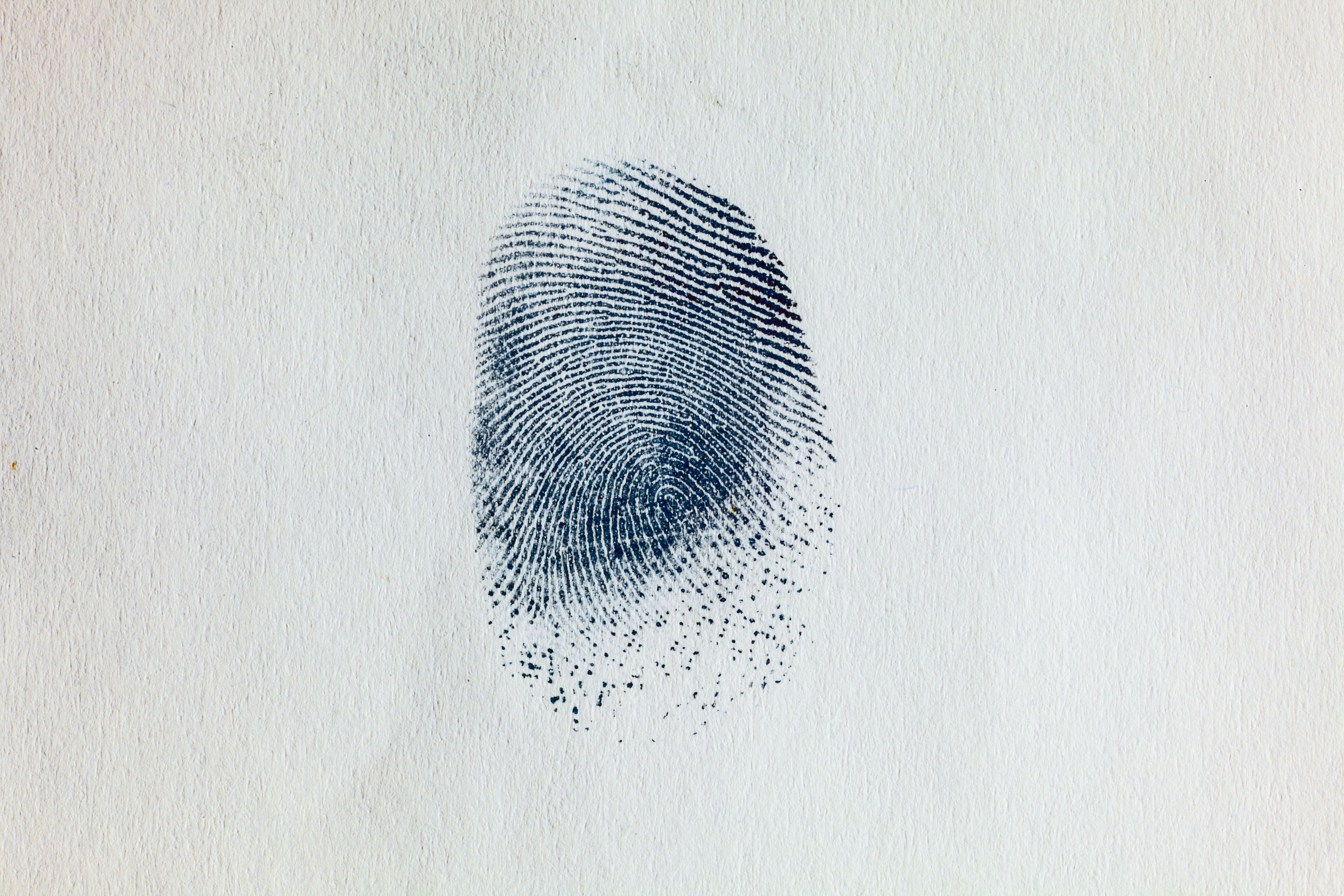
One of the primary reasons ink fingerprinting persists is its proven reliability and accuracy. Ink fingerprints provide a clear, tangible record that can be used for forensic analysis. While digital methods are increasingly accurate, they can sometimes suffer from technical malfunctions or data corruption. Ink fingerprints, on the other hand, offer a physical backup that can be stored and referenced when needed.
Additionally, ink fingerprinting is less susceptible to manipulation. The physical nature of the prints makes them more secure against tampering and fraud, ensuring that the identification process remains robust and trustworthy.
Wide Acceptance
Ink fingerprinting is widely accepted by various institutions around the world. Many international agencies and governments still require ink fingerprints for official documentation, such as visas and immigration papers. The global standardization of this method ensures that it can be used universally, facilitating cross-border identification and verification.

Moreover, some legal systems are slow to adopt digital technologies, making ink fingerprinting a necessary practice in certain jurisdictions. This ensures that individuals can comply with legal requirements regardless of the technological capabilities of the region.
Cost-Effectiveness
In many cases, ink fingerprinting is more cost-effective than digital alternatives. The equipment required for ink fingerprinting is relatively inexpensive, making it accessible for smaller organizations and developing countries. This affordability allows for widespread implementation without the need for substantial investments in digital infrastructure.
Training and Tradition
Law enforcement and other agencies have a long-standing tradition of using ink fingerprinting, with extensive training programs developed around this method. The familiarity and expertise that professionals have with ink fingerprints make it a reliable choice for many tasks.

Transitioning entirely to digital systems would require significant retraining and resources. Until such transitions can be made seamlessly, ink fingerprinting will continue to be a staple in the identification process.
Complementary to Digital Methods
Ink fingerprinting does not exist in isolation; it complements digital methods. By providing a dual system of identification, organizations can ensure the highest level of accuracy and security. This redundancy is particularly valuable in cases where digital systems might fail or where legal stipulations require physical records.
In conclusion, while digital advancements continue to revolutionize identification techniques, ink fingerprinting remains a relevant and necessary practice. Its reliability, cost-effectiveness, and universal acceptance make it an enduring component of modern identification processes.